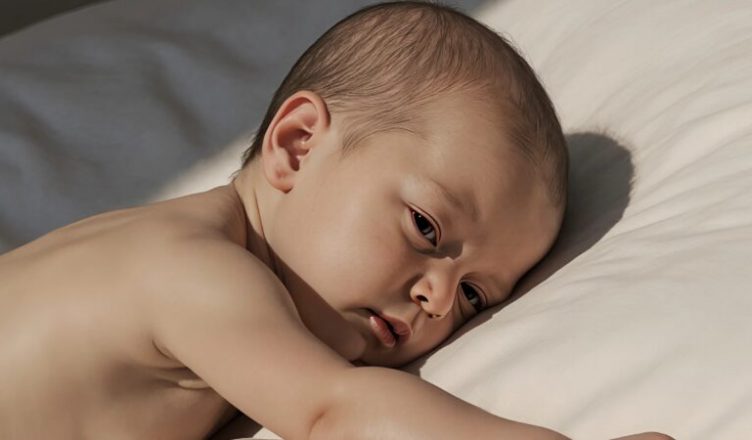
He turned her tiny body toward the light, and that’s when I saw it. Her right hand wasn’t fully formed.
The room didn’t erupt into panic. It just went silent. A heavy kind of silence that squeezes your lungs from the inside.
I waited for the joy. I waited for that wave every mother talks about.
Instead, all I felt was the floor slipping out from under me.
My brain shot off like a broken alarm system:
Did I miss something? Did I cause this? Was this my fault?
The questions weren’t fair, but they were real. Fear doesn’t negotiate—it hits first and asks later.
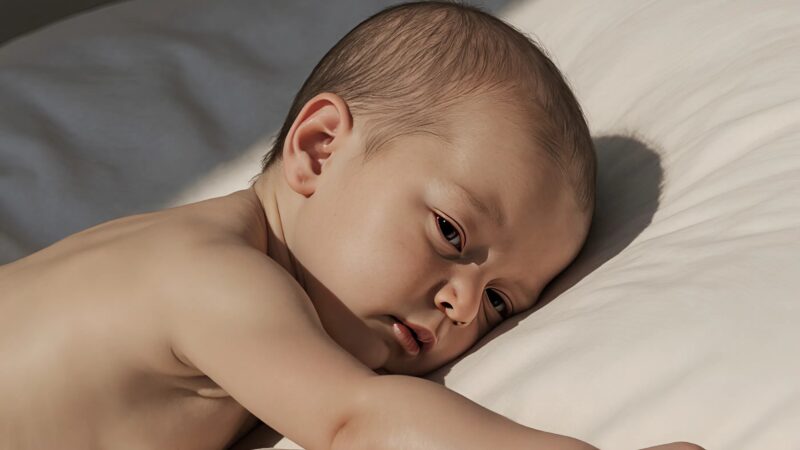
But then she cried.
Not weak, not fragile—just loud enough to snap the world back into motion.
And in that moment, I realized she wasn’t the one who was scared. I was.
Holding her felt like holding a miracle wrapped in uncertainty. She was warm. She was alive. She was mine. And yet my hands were shaking, because I already knew the world could be cruel to kids who don’t fit its template.
Those first months? They were a battlefield.
Every appointment felt like walking into a courtroom, waiting for someone to tell me what her future would not be.
Every long stare from strangers was a reminder that people notice difference long before they notice strength.
But she didn’t care.
She didn’t wait for sympathy or permission.
She learned. She adapted. She fought in ways adults rarely do.
When she was one, she figured out how to pull her favorite toy toward herself. It was clumsy, awkward, stubborn—but it was pure determination. That moment hit me harder than any diagnosis. It was her way of saying, Don’t you dare feel sorry for me.
And she kept going.
Now she’s three. She runs like she’s racing the wind. She laughs like the world owes her joy. There is nothing hesitant about her — not her step, not her voice, not her spirit.
Yes, she’s missing part of her hand.
But the world doesn’t get to decide what she’s missing.
That’s her story to write — not theirs.
Some nights, after she falls asleep, I sit next to her bed and let the truth land:
she was never broken.
Fear made me break first.
She touches my face with her small, warm hand — the one she has — and I swear that one simple touch holds more strength than anything I’ve ever known.
Because sometimes power doesn’t show up the way you expect.
Sometimes it arrives as a child who forces you to let go of every old idea of “normal,”
and replace it with something braver, louder, and infinitely more human.